Agile Estimation Converter
Published Apr 20, 2026
⦁
2 min read
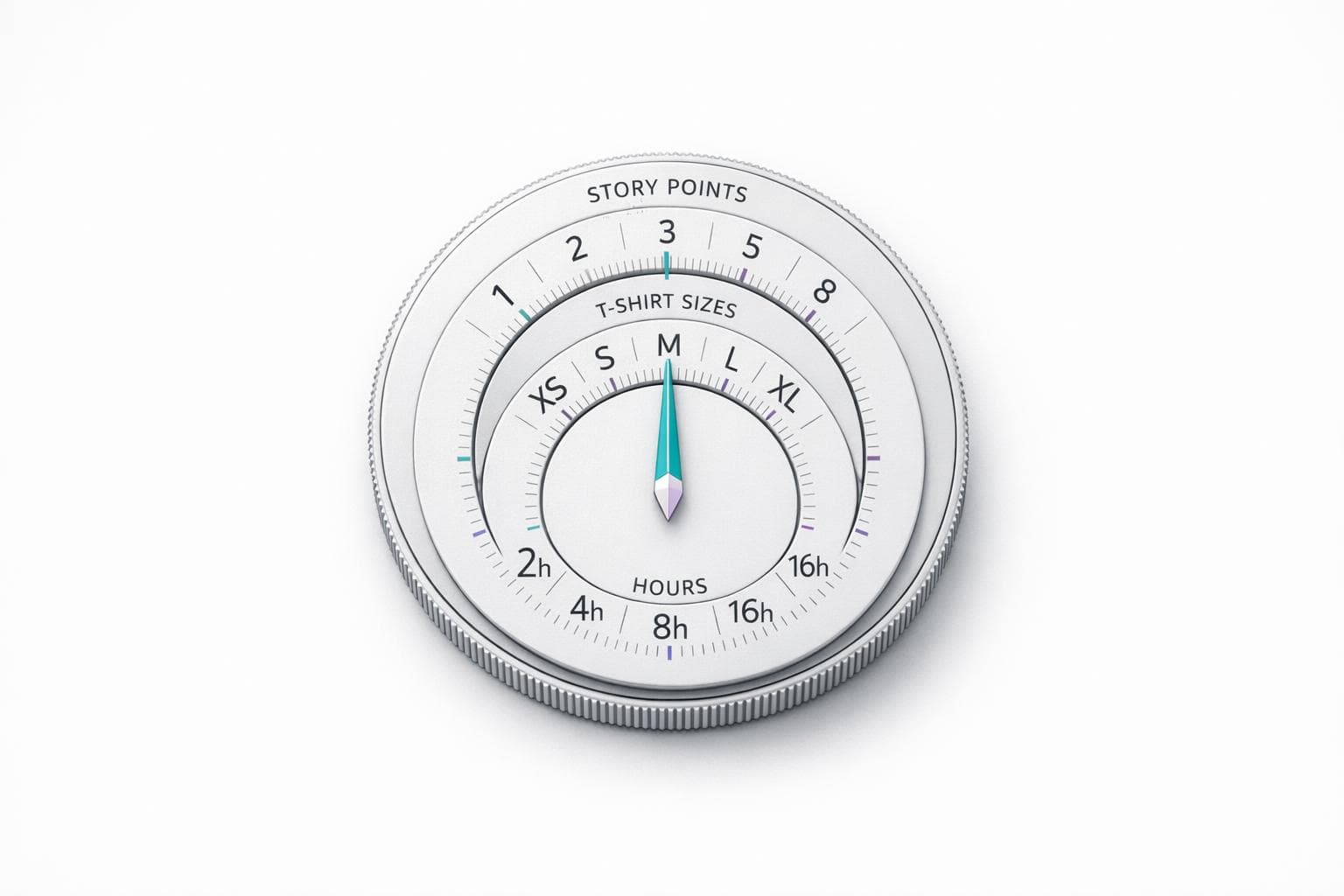
Agile Estimation Converter
Streamline Your Agile Workflow with an Estimation Converter
Agile teams know that estimation can be a tricky beast. Whether your squad swears by story points, loves the simplicity of T-shirt sizing, or sticks to ideal hours, aligning everyone on the same page is key to smooth sprint planning. That’s where a reliable conversion tool comes in handy. It takes the guesswork out of switching between different scales, letting you focus on delivering value instead of debating numbers.
Why Estimation Matters in Agile
Estimation isn’t just about slapping a number on a task—it’s about creating shared understanding. When a designer thinks in hours and a developer thinks in Fibonacci points, miscommunication creeps in. A tool that bridges these gaps ensures your backlog stays clear and your team stays aligned. Plus, with features like batch processing, you can tackle multiple tasks in one shot, saving precious time during planning meetings.
Customization for Your Team
Not every team estimates the same way. Maybe your ‘Medium’ is worth 3 points instead of 5. With customizable mappings, you can tailor conversions to match your unique process. So, next time you’re refining your backlog, let this utility do the heavy lifting while you focus on what’s next.
FAQs
What estimation scales does this converter support?
Our tool handles the most common Agile estimation scales: Fibonacci-based story points, T-shirt sizes (XS, S, M, L, XL), and ideal hours. You can mix and match any input and output scale. If your team uses a unique setup, just adjust the custom mappings to match your workflow. It’s built to be flexible for all kinds of Agile setups.
Can I convert multiple estimates at once?
Absolutely! We’ve got a batch conversion feature that lets you input multiple values in one go. Just enter them in the provided field, separated as instructed, and you’ll get a clear list of converted results. It’s a huge time-saver during sprint planning or backlog grooming sessions when you’ve got a bunch of tasks to estimate.
How accurate are the default conversion mappings?
The default mappings are based on widely accepted Agile practices—like S equaling 2 story points or M being 5. They’re a solid starting point for most teams. That said, every team’s different, so if these don’t fit, you can easily customize the ratios. The tool will always note which mapping was used, so there’s no guesswork.
Ready to improve your team's planning?
Put what you've learned into practice! Make your next planning session more engaging and accurate.
Try for free - no signup required